
March 7, 2024

‘I’m going to start with this beautiful film,’ a presenter informs the audience.
The killer in this sentence is the word beautiful.
The minute you use an adjective to describe something your audience is going to experience:
· You’re creating an expectation that may or may not be met because everyone has different ideas of what makes up beauty.
· The churlish people in the audience (and yes, there will always be a couple), their half-risen hackles will spring to attention
· And most people want to make up their own mind. They don’t want to be told what to think.
A more intelligent, inclusive way of presenting the film would be to say something like, ‘I want to share this film. After watching it I invite your comments and observations.’
Your audience will probably find the film beautiful. (If you have good taste, and I’m sure you do!). They should discover the film is beautiful rather than you telling them. You can’t tell me what I’m going to feel or think before the experience.
This sounds like a subtle play on language, but it’s powerfu. This ensures the experience is beautiful. Not because you said so, but because your audience discovered it for themselves.

Access 101 Story Ideas
Explore the depths of your imagination as you immerse yourself in tales of love, loss, triumph, and transformation. Each story idea is a springboard to craft your unique masterpiece, infusing your voice and perspective to make it truly your own. Let these story ideas be the stepping stones to your next business success.
Recent Posts
Oct. 15, 2026
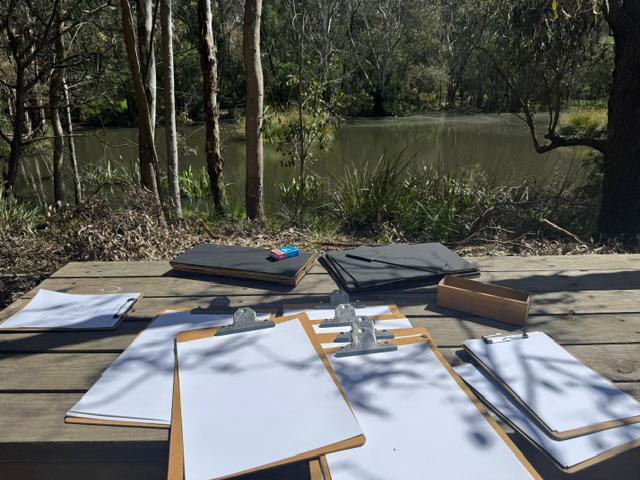
From hell in a handbasket to heaven with a clipboard

Oct. 08, 2026
How do you find new and interesting things?
Oct. 01, 2026
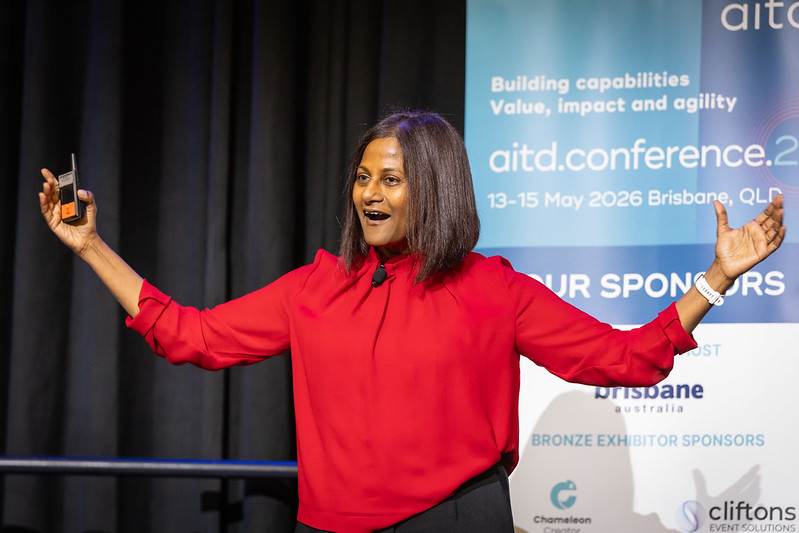
The most beautiful performance I’ve ever seen
Sep. 24, 2026
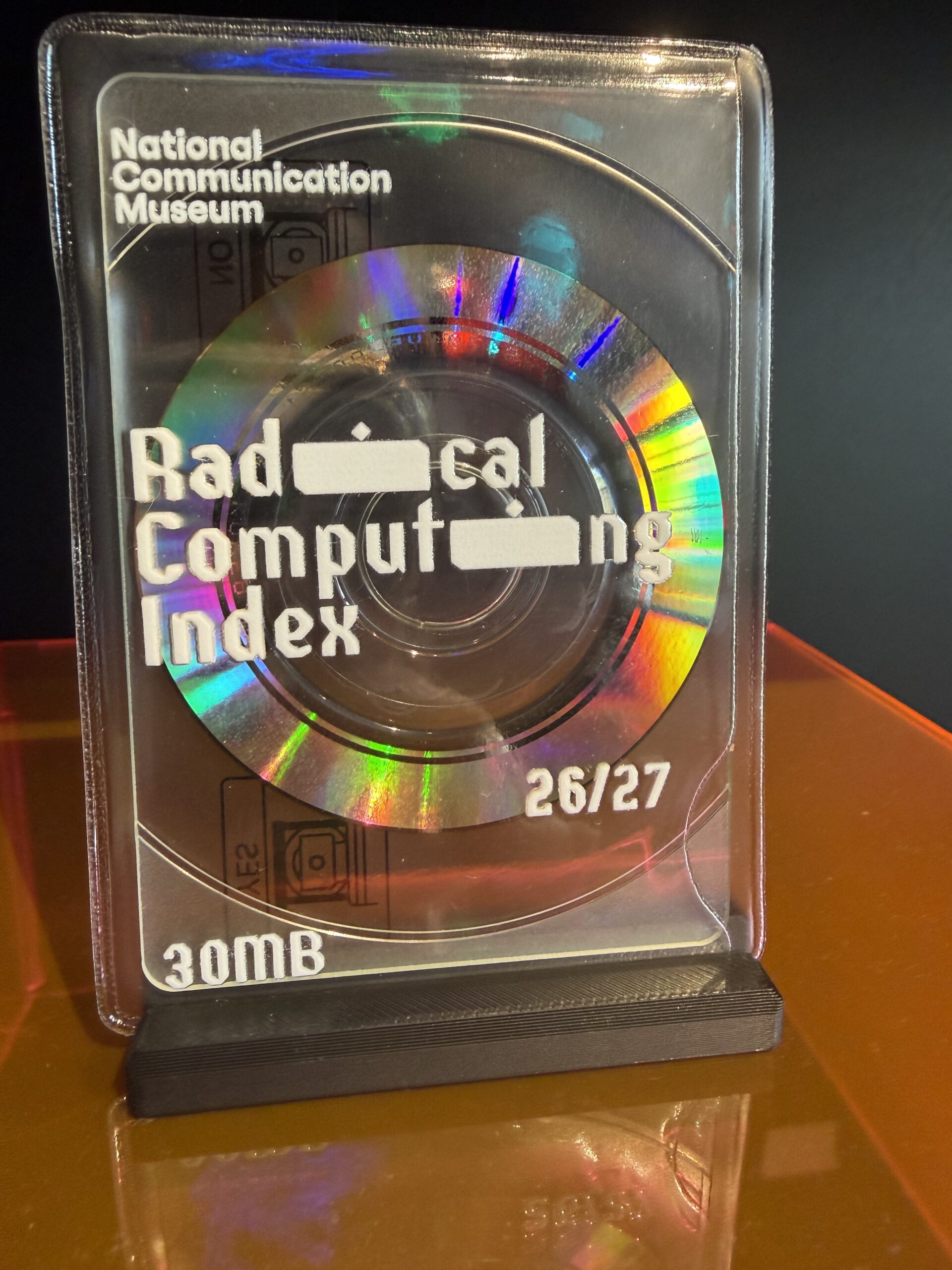
I was intrigued when I came across this love letter
Sep. 17, 2026
Love being human, you learn something every day. Did you know this?

Sep. 09, 2026