
October 9, 2025
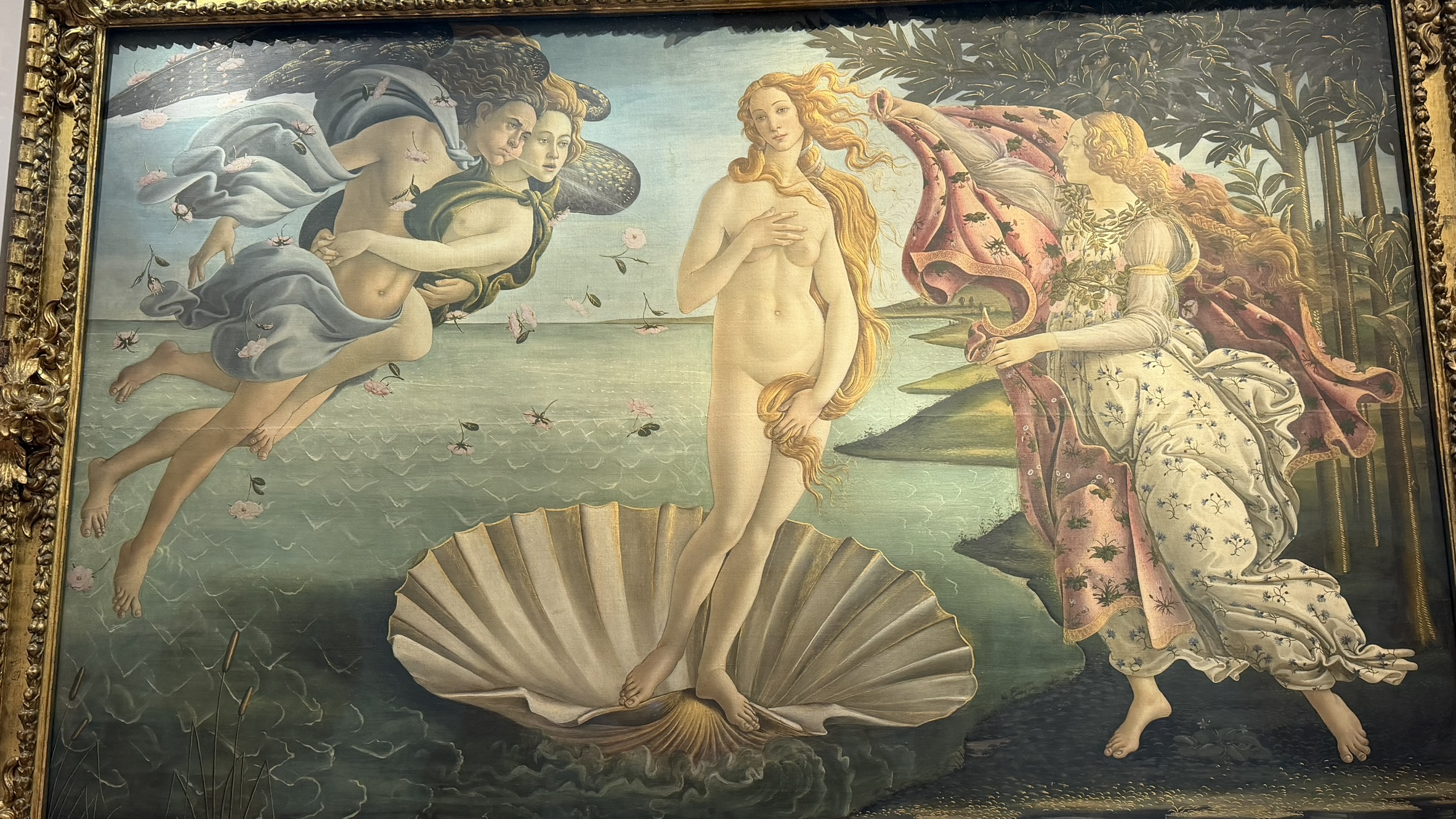
I promised I wouldn’t be that tourist, and then I met Venus.
Greetings from Florence, Italy. I’m in the Uffizi, face to face with Botticelli’s Birth of Venus, and it’s breathtaking. First, the scale hits you, it’s almost three metres wide, a sea of soft light and air. And here’s what grips you next, you’ve walked in mid-scene.
Botticelli paints the moment in between. Not Venus born from sea foam (too weird, lots of explaining needed). Not Venus already on shore, draped and goddess-ready (too boring, story’s over).
He picks the hinge, the middle of the story: she’s being blown toward land, balanced on a shell, hair flying, while a figure on shore lifts a flowered cloak that’s about to cover her.
Something has happened. Something is about to happen. Your brain leans in to close the gap. That tension is why the painting feels alive. You care before anyone explains the myth.
That’s the move presenters should steal. Don’t start at the beginning. ‘Let me give you some background on our Q3 strategy…’ Start at the hinge, where the stakes show and a decision looms: ‘At 9:12 a.m., our system crashed and customers couldn’t access their accounts.’
Now your audience is leaning in. Then loop back with only the context they need.
Art and presenting share a goal: not to show everything, but to make us feel the one thing that matters. Imagine, Botticelli nailed it in 1485.
Now, if you’ll excuse me, I need to elbow my way to a selfie with Venus.
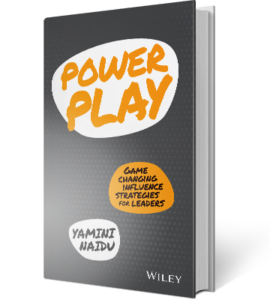
Power Play
Great leaders are mega influencers, but could their tools of influence be out of date? To influence today, you need more than just the traditional approaches of yell and tell (coercion) and sell (persuasion). With this book, learn new and commercially savvy alternatives that will help you deliver outstanding results in the modern workplace. Influencing others isn’t magic – it’s a skill that you can make work for you.
Recent Posts
Oct. 15, 2026
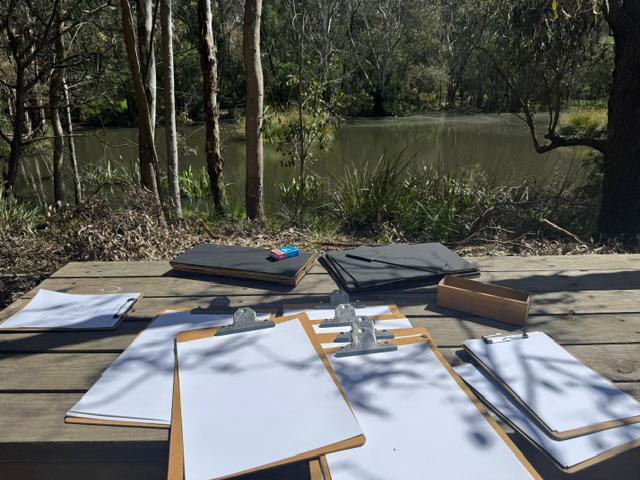
From hell in a handbasket to heaven with a clipboard
Oct. 08, 2026
How do you find new and interesting things?
Oct. 01, 2026
The most beautiful performance I’ve ever seen
Sep. 24, 2026
I was intrigued when I came across this love letter
Sep. 17, 2026
Love being human, you learn something every day. Did you know this?
Sep. 09, 2026